
frameless led bathroom mirror
Understanding Pressure Water Valves A Comprehensive Guide Pressure water valves are critical components in various plumbing and industrial systems, playing a crucial role in maintaining efficient water flow and ensuring safety. In this article, we will explore the principles of pressure water valves, their various types, applications, and maintenance practices. What is a Pressure Water Valve? A pressure water valve is a device designed to control the pressure of water within a system. By regulating the amount of water that flows through pipelines, these valves prevent potential damage to the infrastructure and ensure that the water pressure remains within safe operational limits. They are widely used in residential, commercial, and industrial settings. Types of Pressure Water Valves 1. Pressure Reducing Valves (PRVs) These valves automatically reduce and maintain the pressure of water entering a system. They are essential in preventing high-pressure damage to pipelines and appliances, ensuring that pressure levels remain safe for operation. 2. Pressure Relief Valves (PRVs) Often used as safety devices, pressure relief valves are designed to open and release excess pressure from a tank or pipeline to prevent catastrophic failures. They play a vital role in maintaining the integrity of water storage systems. 3. Pressure Regulating Valves (PRGs) Similar to pressure reducing valves, pressure regulating valves maintain a consistent output pressure regardless of varying input pressures. This feature is critical for ensuring steady water flow in irrigation systems and other applications. 4. Float Valves These valves use a buoyant float to control water flow based on the water level in a tank. Commonly found in toilets and water storage tanks, float valves ensure that water levels remain balanced without overfilling. Applications of Pressure Water Valves Pressure water valves are used in a wide array of applications, including - Residential Plumbing In homes, pressure reducing valves prevent high water pressure from damaging pipes and appliances. This is particularly important in older homes where plumbing systems may not be designed to handle high pressure. pressure water valve - Irrigation Systems Effective agricultural practices rely on pressure regulating valves to maintain optimal water pressure for irrigation. This ensures uniform distribution and prevents water wastage. - Industrial Processes Industries that require precise water pressure for manufacturing processes depend on pressure relief and reducing valves to maintain operational safety. These valves safeguard against fluctuations that could lead to equipment failure or safety hazards. - Water Treatment Facilities In municipal water systems, pressure water valves help in controlling the flow of treated water, ensuring that water distribution networks operate smoothly. Maintenance of Pressure Water Valves Proper maintenance of pressure water valves is essential for ensuring their longevity and functionality. Here are some best practices 1. Regular Inspection Schedule routine inspections to check for signs of wear, corrosion, or leaks. Address any issues promptly to prevent escalation. 2. Cleaning Over time, sediment and debris can accumulate within valves, affecting their performance. Clean the valves as necessary, especially in areas with hard water. 3. Calibration For valves that require precise pressure settings, regular calibration is vital. Ensure that the pressure settings are aligned with the system’s requirements. 4. Replace Worn Parts If any components of the valves show signs of damage or wear, replace them immediately to maintain optimal performance. 5. Professional Services Consider hiring professional services for complex systems or when dealing with critical infrastructure. Experts can provide comprehensive maintenance and ensure compliance with safety standards. Conclusion Understanding pressure water valves is essential for anyone involved in plumbing, irrigation, or industrial processes. By familiarizing oneself with the different types of valves, their applications, and maintenance practices, individuals and organizations can enhance water management systems, ensuring efficiency, safety, and longevity. As technology advances, the development of more sophisticated pressure water valves promises even greater reliability and performance in water management systems worldwide. By investing in quality valves and adhering to maintenance protocols, we can ensure the integrity of our water supply and protect our infrastructure for future generations.
about
frameless led bathroom mirror
Understanding Pump Check Valves Importance and Functionality In various industrial and commercial applications, the effectiveness and efficiency of fluid transfer systems hinge significantly on the components used within them. Among these components, pump check valves play a critical role in ensuring proper functionality. This article delves into the significance of pump check valves, how they work, and their applications across different industries. What is a Pump Check Valve? A pump check valve is a type of one-way valve that allows fluid to flow in only one direction—forward—while automatically preventing backflow. This characteristic is crucial for systems that involve pumping fluids, as backflow can cause damage to the pump, reduce efficiency, and lead to potential safety hazards. Check valves come in various designs, such as swing check valves, lift check valves, and diaphragm check valves. Each type has a specific mechanism that suits different operational demands, but all serve the primary purpose of ensuring unidirectional flow. How Do Pump Check Valves Work? The operation of a pump check valve is relatively straightforward. When the pump is activated, the pressure of the fluid opens the valve, allowing it to flow through the system. When the pump is turned off or if there is a drop in pressure, the internal mechanism closes the valve, preventing any backflow. This action helps maintain system integrity and ensures that the fluid reaches its intended destination without regression into the pump or other components. The design of the check valve—regardless of type—ensures that it can withstand the pressures and dynamics of the fluid flow. Materials used in manufacturing these valves vary, and they may include stainless steel, brass, and plastic, depending on the application's chemical compatibility and pressure requirements. Importance of Pump Check Valves The significance of pump check valves extends across a multitude of reasons 1. Protection of Equipment By preventing backflow, pump check valves protect the pump and other system components from damage. Frequent backflow can cause wear and tear, leading to costly repairs and inefficiencies. pump check valve 2. Improved System Efficiency By ensuring that fluids flow in a single direction, these valves contribute to the overall efficiency of the pumping system. This efficiency translates into reduced energy consumption and enhanced performance. 3. Safety Assurance Properly functioning check valves guard against unexpected surges in pressure or fluid reversal, which can be hazardous in certain applications. They are particularly critical in systems dealing with volatile or hazardous materials. 4. Regulatory Compliance Many industries are governed by strict regulations regarding equipment and safety standards. Installing reliable check valves can ensure compliance with these regulations, mitigating legal and financial risks. Applications Across Industries Pump check valves can be found in a wide range of industries, each benefiting from their unique functionalities - Water and Wastewater Management Check valves are pivotal in municipal water systems and wastewater treatment plants to prevent contamination and ensure the integrity of the water supply. - Chemical Processing In the chemical industry, maintaining the flow direction of reactive substances is essential to minimize hazardous situations, making check valves indispensable. - Oil and Gas Pump check valves play a critical role in maintaining flow direction in oil pipelines, preventing backflow that could disrupt operations or cause spills. - Food and Beverage In this industry, check valves are employed to ensure sanitary flow conditions, preventing backflow that could lead to contamination. Conclusion In summary, pump check valves are vital components in fluid transfer systems, providing essential benefits such as protection, efficiency, and safety. Their simplicity in design belies their importance, as they contribute significantly to the reliability and functionality of various industrial applications. Understanding their role is crucial for engineers, operators, and maintenance personnel aiming to optimize system performance and ensure safe operations in any liquid handling process. As industries continue to evolve, the relevance of pump check valves will undoubtedly remain robust, necessitating ongoing attention to their selection, installation, and maintenance.
-

High quality industrial productsagement

High quality industrial products
View Details -

Meet the diverse needs of customers

Meet the diverse needs of customers
View Details -

Strict quality control

Strict quality control
View Details -

Top raw materials

Top raw materials
View Details -

Trusted supplier

Trusted supplier
View Details
Our application


news and information

Using Pin Go-No Go Gauge for Precision Measurement in Manufacturing Applications
Understanding the Pin Go/No-Go Gauge A Key Tool in Quality Control In the realm of manufacturing and
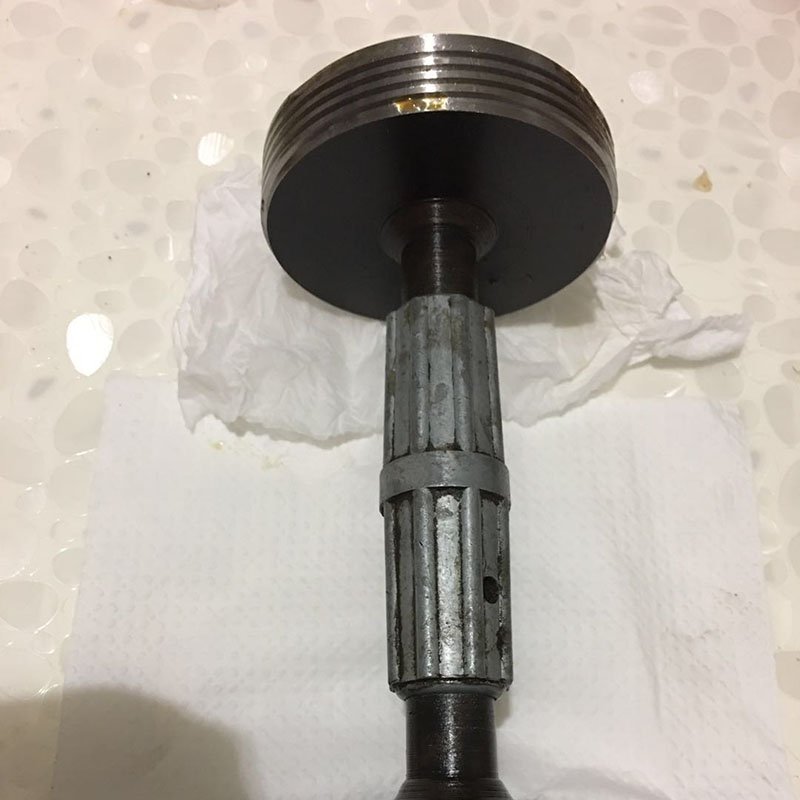
Various Types of Water Check Valves and Their Applications
Types of Check Valves for Water Check valves play a crucial role in fluid control systems, particula
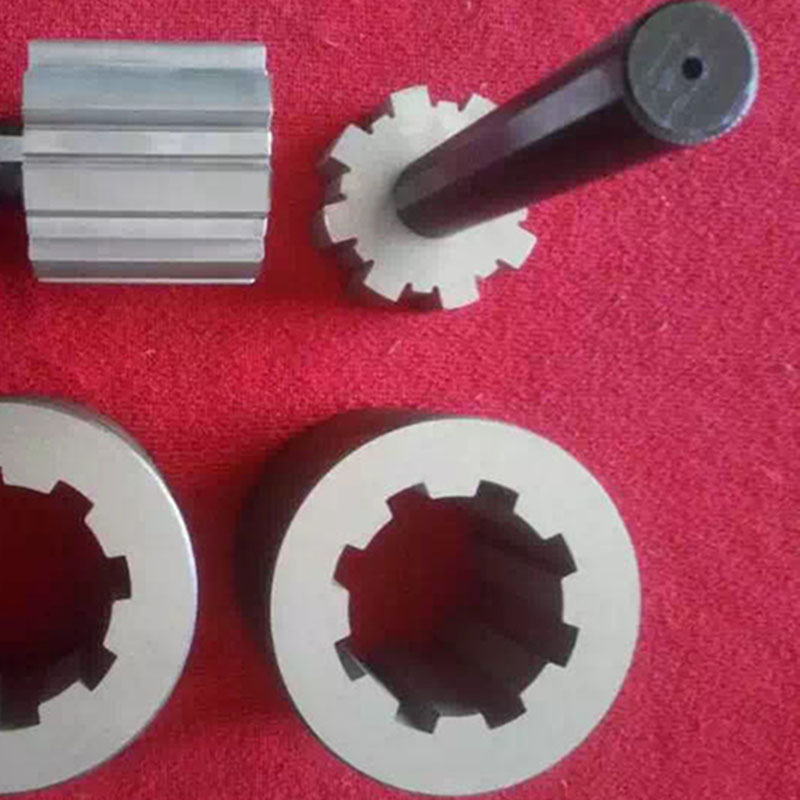
water line valve
Navigating Your Water Line Valve Needs An Expert Perspective For homeowners and industry professiona
 English